
Summer is Coming, Which Means Fire Season is Too
24 November 2026
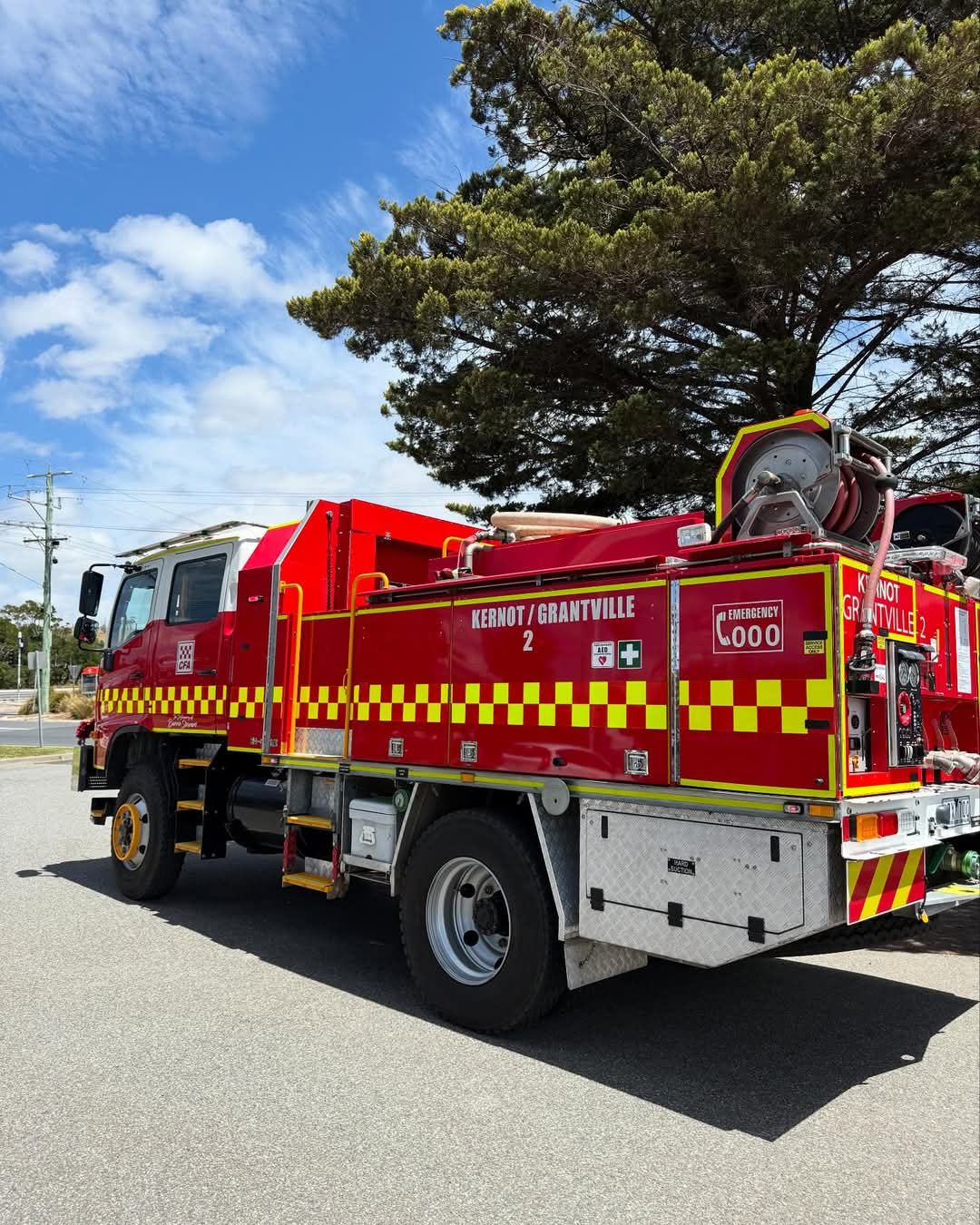
As temperatures rise and fire danger increases across Bass Coast, now is the time to make sure you, your family, pets and property are prepared for the season ahead.
Emergencies can happen suddenly, and when they do, stress and uncertainty can make it difficult to make clear decisions. Having a plan can help keep you safe, protect what matters most, and support a faster recovery.
Start with an Emergency Plan
An emergency plan helps you think ahead about important questions, such as:
- Where will you go if you need to leave?
- What will you take with you?
- Who will collect children or support vulnerable family members?
- How will you care for pets, horses or livestock?
- How will you stay informed during an emergency?
When creating an emergency plan, discuss it with household members, neighbours and support networks. Plans should be reviewed and practised regularly so everyone understands their role if an emergency occurs.
Pack an Emergency Kit
Every household should have an emergency kit ready to sustain family members for at least 72 hours. Emergency kits should include:
- Drinking water
- Non-perishable food
- Medications and prescriptions
- Important documents
- Mobile phone chargers
- First aid supplies
- Torch and batteries
- Essential items for children and pets
A well-stocked emergency kit can make a significant difference during and after an emergency event.
Prepare Your Property
Property preparation is one of the most effective ways to reduce fire risk.
Residents can:
- Remove excess grass and other fine fuels
- Dispose of green waste appropriately
- Ensure house numbers are clearly visible from the road
- Keep accessways clear for emergency service vehicles
- Understand local regulations if considering burning off
Clearly visible house numbers are especially important, helping emergency services locate properties quickly when every minute counts.
Don't Forget Your Pets
Pet owners are responsible for the welfare of their animals during emergencies. Include pets, horses and livestock in your emergency planning and think about transport arrangements, food and water supplies, identification and safe alternative locations.
Know Your Neighbours
Strong communities are more resilient during emergencies. Getting to know your neighbours and understanding who may need additional assistance can make a real difference during a crisis.
Neighbour connections can improve communication, provide support and help people recover more effectively following emergency events.
Stay Informed with the Emergency Management Dashboard
One of the easiest ways to stay informed during emergency events is through the Bass Coast Emergency Management Dashboard. The dashboard provides real-time information on:
- Bushfires
- Floods
- Severe weather
- Road closures
- Power outages
Residents can also sign up to receive alerts through the VicEmergency link, helping them stay up to date with changing conditions and emergency information.
Visit the dashboard at: emergency.basscoast.vic.gov.au.
Have a Plan for Leaving Early
If evacuation becomes necessary, the safest option is often to leave early. On days forecast as Extreme or Catastrophic Fire Danger, residents should consider leaving well before conditions deteriorate. On Catastrophic-rated days, leaving the night before or early in the morning is the safest option.
Neighbourhood Safer Places (Bushfire Places of Last Resort) are available as a last resort if all other plans have failed, but they are not a substitute for having a well-prepared emergency plan.
For more information:
- Bass Coast emergency preparedness: https://www.basscoast.vic.gov.au/community-support-services/emergency-information/prepare
- Bass Coast Emergency Management Dashboard: https://emergency.basscoast.vic.gov.au/
For free emergency plan templates and resources, visit the links below:
- CFA bushfire plan
- Emergency Prepare website
- SES emergency plan workbook
- Red Cross emergency plan
- SES flood emergency guide
- Health Victoria extreme heat information
- Agriculture Victoria pets and emergencies
- Agriculture Victoria: horses and livestock in emergencies
- RSPCA emergency assistance
- Emergency Action Plan
- Emergency Action Plan help guide


