
Designed for Comfort: Lessons from Aileen’s Home
27 November 2026
Aileen created a comfortable, energy-efficient home 17 years ago that continues to perform well today. A home energy assessment awarded the house an impressive 9-star rating, with the only recommended improvement being upgraded curtains and pelmets.
Getting the design right from the start
Many of the home's energy-saving features were considered before construction began. Inspiration came from homes Aileen previously lived in, ideas from magazines, and lessons learned after building an earlier basalt stone home in Euroa.
The house is positioned to make the most of the sun in winter and shading in summer. Living areas are located on the north side of the home, allowing winter sunshine to naturally warm the spaces she spends the most time in.
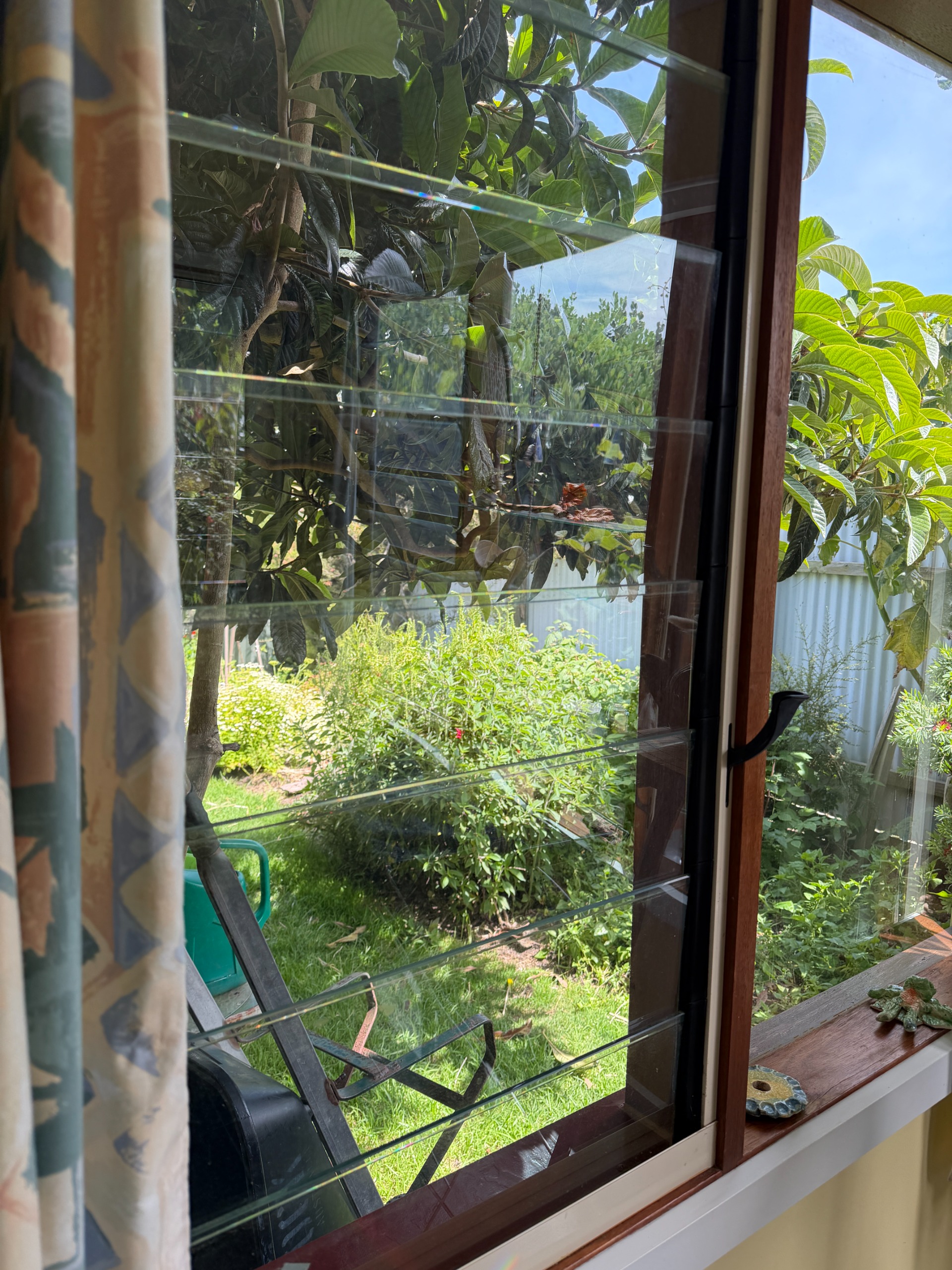
A north-facing sunroom captures warmth during winter, creating a bright space that can also be used to dry clothes. Louvre windows help with cross-ventilation during warmer months, allowing breezes to flow through the home without relying heavily on mechanical cooling.
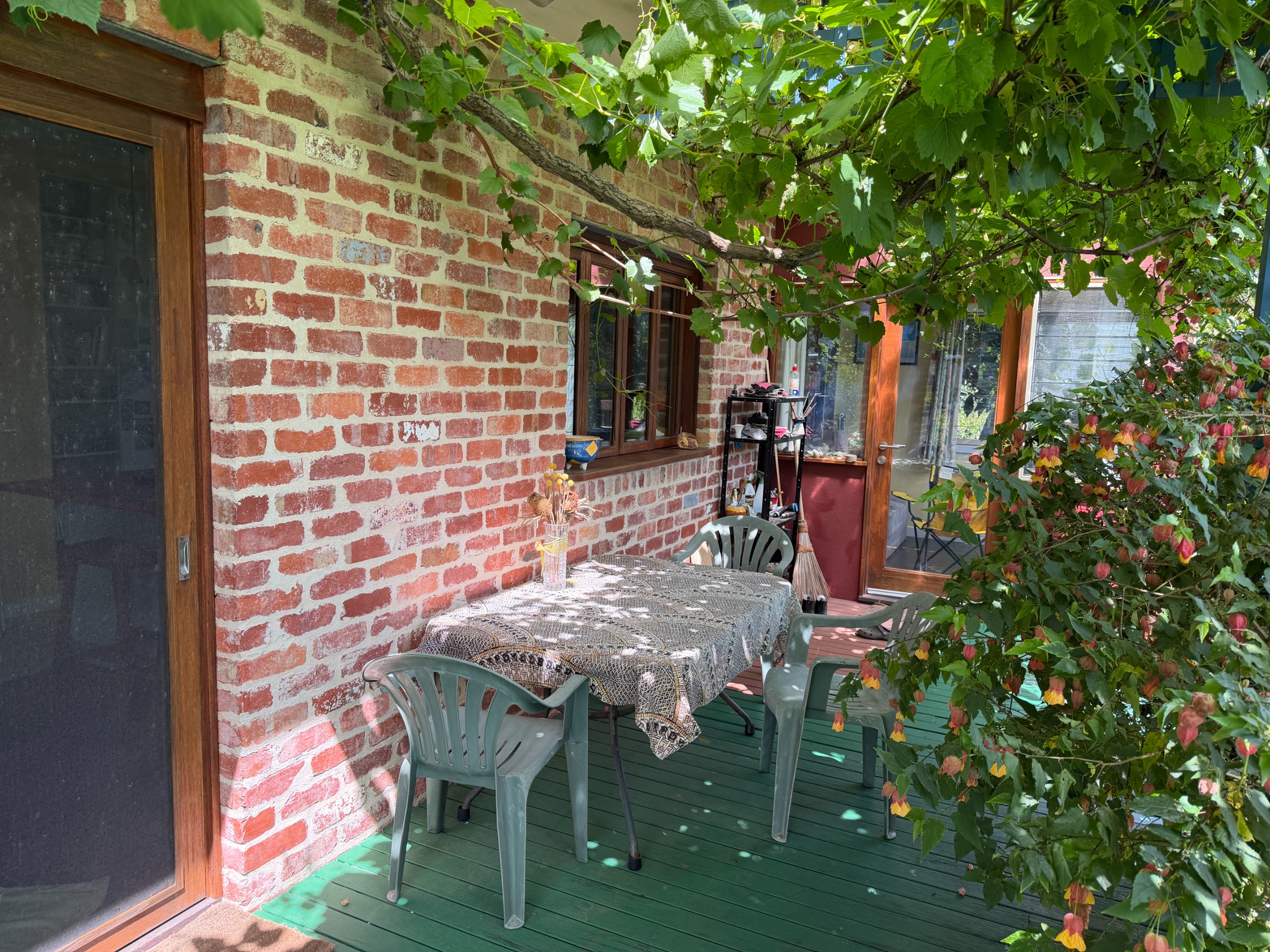
Outside, a deciduous grapevine shades north-facing windows during summer while allowing sunlight through in winter once the leaves have fallen. A tree on the western side of the house provides valuable afternoon shade to both a bedroom and the sunroom.
Eaves also play an important role in managing the sun. Aileen's eaves are 600mm deep and she notes that the ideal eave depth depends on factors such as the local latitude and the distance between the window sill and the eave. Anyone planning a build or renovation can learn more about designing effective shading through the YourHome guide to shading.
Her advice for anyone building or renovating?
More windows isn't necessarily better, especially if they're not shaded properly.
Building a high-performing home
The house combines a range of energy-efficient construction features.
Ceiling insulation is rated at R4.0, while wall insulation is R2.5. Windows throughout the home include a combination of double glazing, low-emissivity (low-E) glass and laminated glass to improve thermal performance and comfort.
A light-coloured Colorbond roof helps reflect heat, while recycled bricks were chosen for much of the exterior, helping the home fit in alongside a nearby historic building.
Even the concrete slab was carefully considered. A waffle pod slab reduced the amount of concrete required, and being raised 100mm above the ground provided an extra termite barrier and flood protection.
Not every experiment worked exactly as planned. Black tiles were installed near north-facing windows to absorb winter sunshine and store warmth. However, because silicone adhesive was used beneath the tiles, heat transfer was reduced, limiting their effectiveness.
Going all electric
Like many Victorian homes built around the same time, the house originally relied on gas for cooking and as a backup for the solar hot water system.
Over time, increasing awareness of the environmental and health benefits of all-electric homes prompted a change.
During the Cosy Homes program that Aileen ran with her friend Jessica, she upgraded to an electric oven, induction cooktop and replaced the gas-assisted hot water system with a heat pump hot water service through a bulk-buy Earthworker heat pump, manufactured in the Latrobe Valley.
Today, the home is fully electric.
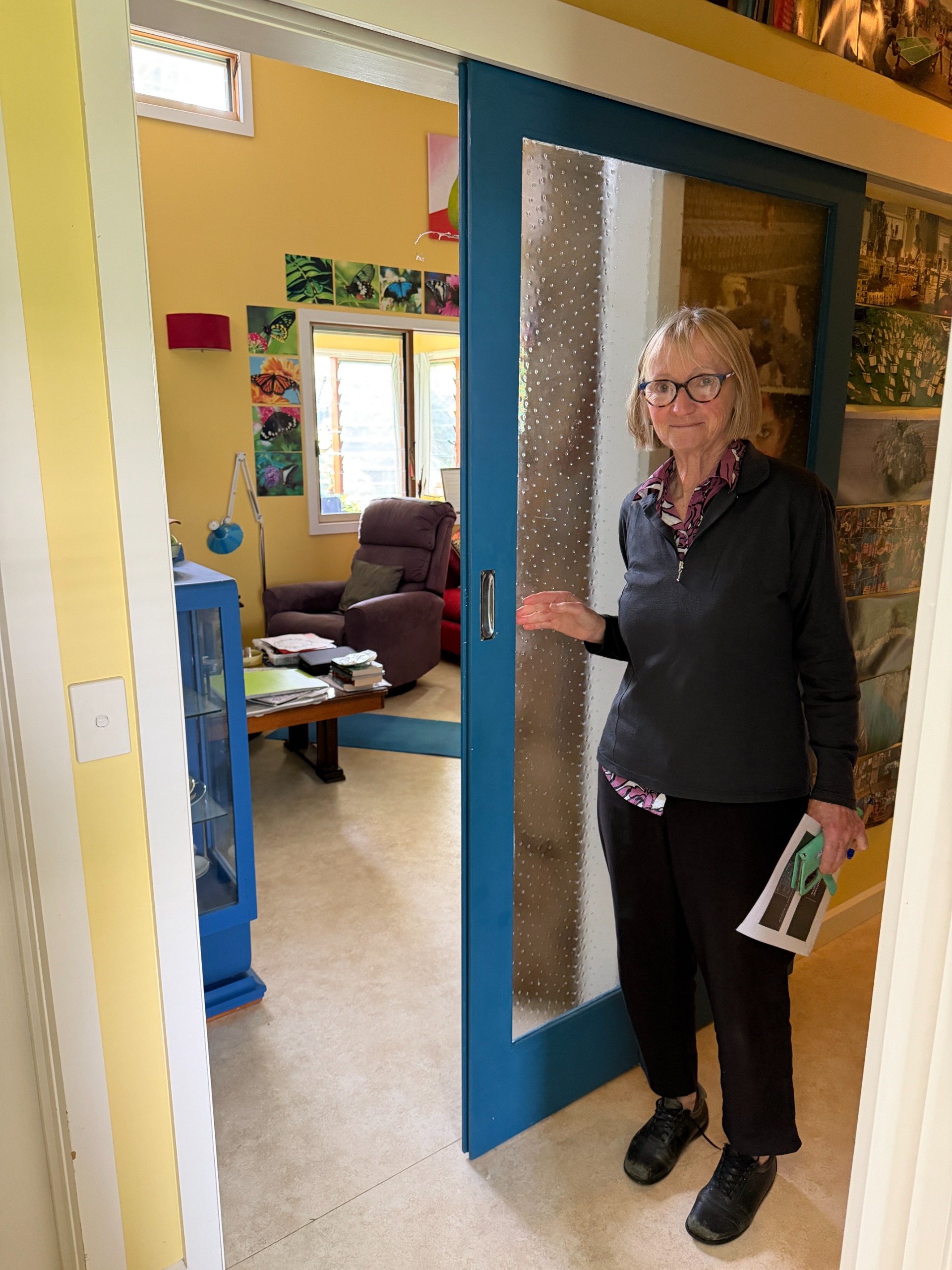
A 5kW split-system unit installed three years ago efficiently heats and cools the main living, dining and kitchen area. Internal doors allow the house to be divided into zones, making it quicker and cheaper to heat or cool only the rooms that are being used.
Making the most of solar power
Solar panels were installed when the home was built. Although the system is modest by today's standards, consisting of six panels and a 1.5kW system, it continues to perform reliably and offset household energy use.
To maximise the value of solar generation, the home's heat pump hot water system operates on a timer during daylight hours. Being retired means Aileen can often shift energy-intensive activities such as cooking, ironing and other household tasks to the middle of the day when solar production is highest.
About five years ago, she installed a PowerPal energy monitor, providing real-time insights into electricity usage.
Small changes add up
Some of Aileen’s most valuable energy-saving advice doesn't involve major upgrades at all.
While most doors in the home seal well, simple door snakes are used where needed to stop unwanted draughts. Aileen is involved with Boomerang Bags, which made door snakes during the Cosy Homes program. She encourages residents to donate good-quality fabric, such as old doona covers, to the Bunurong Environment Centre in Inverloch. And if you have a Boomerang Bag at home you're no longer using, consider returning it to the Wonthaggi IGA so someone else in the community can put it to good use.
Durability is a principle important to Aileen. She recently replaced a microwave that she had for 25 years.
Aileen’s top energy-saving tips
- Prioritise good design and orientation
- Pack as much insulation as possible into the ceiling cavity
- Minimise west-facing windows where possible
- Install effective shading to keep summer sun out while allowing winter sunshine in
- Seal draughts around doors and windows
- Make the most of solar power by running appliances during the middle of the day
- Consider switching from gas to efficient electric appliances
- Buy durable products that will last for many years
- Support local businesses where possible, making future servicing and support easier
Seventeen years after construction, her home demonstrates that thoughtful design choices, combined with ongoing improvements, can deliver year-round comfort, lower energy bills and a lighter environmental footprint.


