The Beautiful Biodiversity of Bass Coast
1 September 2026
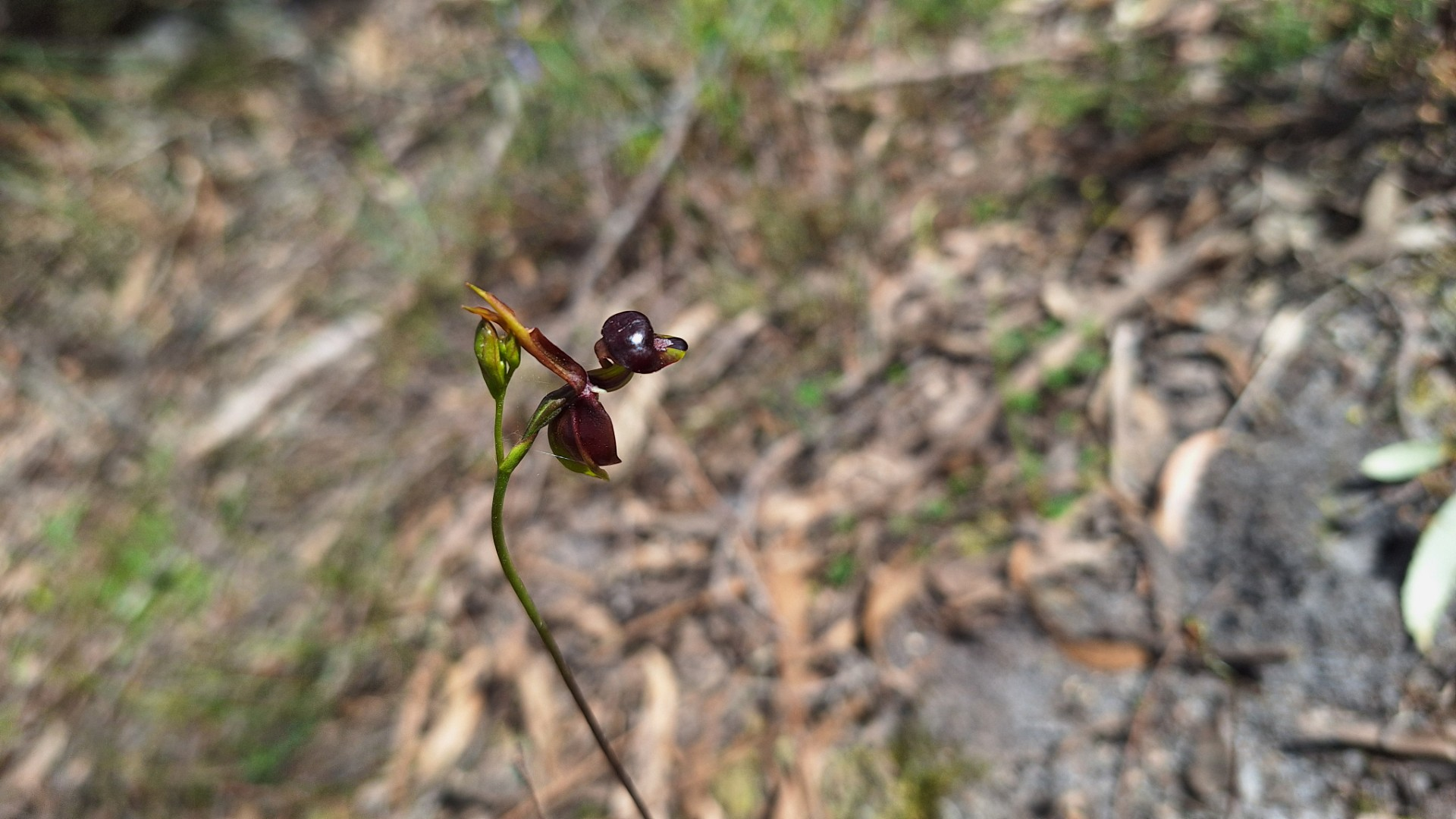
Photo of the Flying Duck Orchid found in the Westernport Woodlands
Every September, Biodiversity Month invites us to pause and appreciate the incredible variety of life on our doorstep. Bass Coast is home to a remarkable mix of rare, threatened and unique species, many found nowhere else in Victoria.
On Land
The elusive Swamp Antechinus, a small carnivorous marsupial, shelters in our region's damp heathlands and coastal scrub. Nearby, the Southern Brown Bandicoot, a nationally threatened species, relies on Bass Coast's remnant vegetation as one of its last strongholds in Victoria. Both species depend on healthy, connected habitat, making local conservation efforts vital to their survival.
Our coastal heathlands, particularly Wonthaggi Heathland and other Coastal Reserve, burst into life each spring with a spectacular array of local coastal orchids. These delicate, often tiny flowers are notoriously fussy about their habitat, and numbers have declined over recent decades as vegetation has changed, a reminder that even common landscapes need active care and protection.
Deep in the region's older heathy woodlands lives one of Australia's strangest and most critically endangered organisms: Tea-tree Fingers (Hypocreopsis amplectens) a finger-like fungus that grows on dead tea-tree and banksia wood. Long thought to be almost extinct, it’s now believed to grow at only a handful of sites worldwide, most being right here in the Gippsland region.
And on Churchill Island, a few ancient, wind-sculpted Moonah (Melaleuca lanceolata) trees stand as living heritage. Iconic further afield too, these gnarled coastal giants are part of a threatened woodland community that's lost more than 90% of its original extent across Victoria, making every surviving stand significant. The few remaining remnant Moonah are remarkable, and allude to how the patch would have looked upwards of 200 years ago.
On Our Shores
Bass Coast is famous for its Little Penguins, the world's smallest penguin species, and the Short-tailed Shearwaters that migrate here in their thousands each year to breed. Both rely on stable dune and burrow systems along the Phillip Island coastline.
Speaking of dunes, this is also the breeding season for the Hooded Plover, a beach-nesting shorebird that lays its eggs directly in the sand, often in shallow scrapes near the dunes. Their nests and chicks are extremely vulnerable to disturbance from foot traffic, dogs and vehicles. If you're walking the beach over the coming months, please stick to the water's edge where possible, keep dogs on leash in signed areas, and give any roped off nesting zones a wide berth. A few small changes to how we share the beach can make a big difference to this species' survival.
In the Water
Along our reefs and seagrass beds, keep an eye out for the Weedy Sea Dragon, a relative of the seahorse, camouflaged with leaf like extremities that make it almost invisible among kelp and seaweed. Bass Coast Shire Council recently partnered with Western Port Down Under on, a documentary project revealing the hidden wonders of Western Port through science through storytelling and cutting- edge film technology. Western Port is a RAMSAR listed wetland and this project is helping showcase just how much extraordinary marine life calls our bay home, with much of it hidden just beneath the surface.
Protecting What Makes Us Unique
From fungi to shearwaters, Bass Coast's biodiversity is precious, fragile and worth protecting. This Biodiversity Month, observe respectfully from a distance, and consider how small everyday choices, from beach walking habits to garden planting, can help these remarkable species thrive for generations to come.
Learn more about Biodiversity Month here: https://www.dcceew.gov.au/environment/biodiversity...